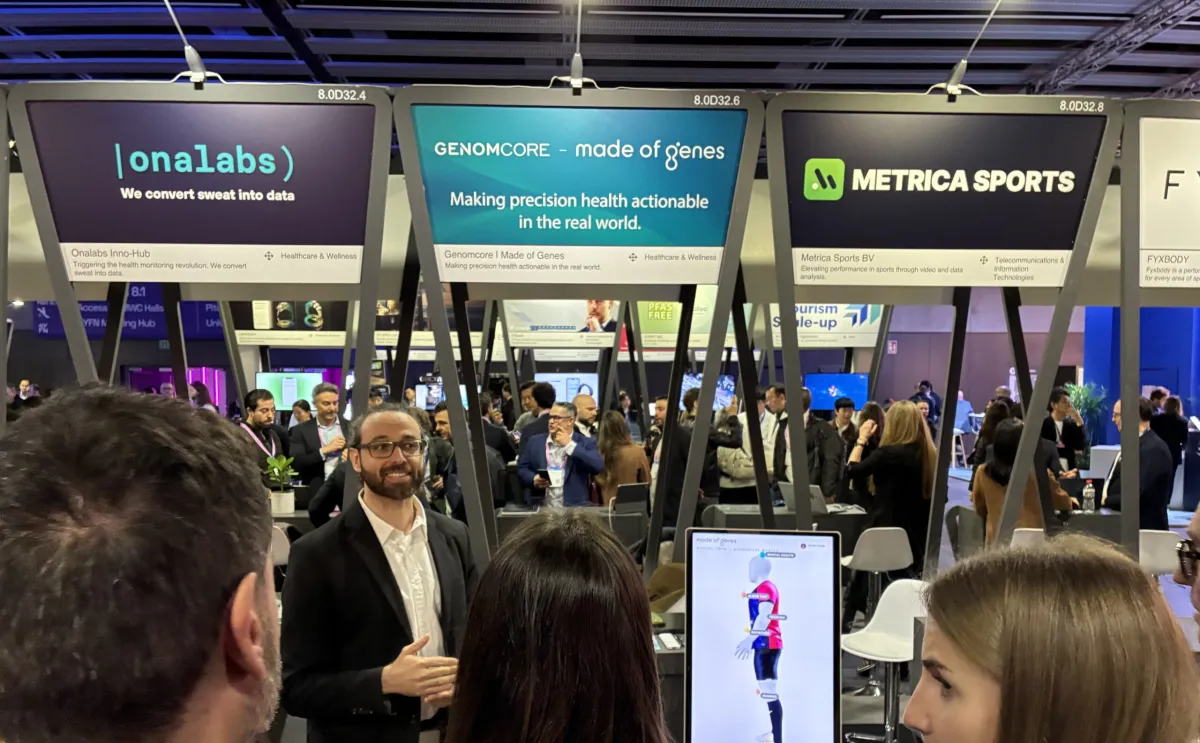
Made of Genes participated in the Isokinetic Conference 2026, one of the leading global events in sports medicine, bringing together clinicians, researchers and performance professionals working at the forefront of injury prevention and athlete care.
From fragmented data to actionable insights
In elite football, injury risk is inherently multifactorial. It does not depend on a single variable, but on the interaction between biological, physiological and contextual factors. However, in practice, these data streams are often fragmented across systems, limiting their impact on decision-making.
Precision medicine in football injuries
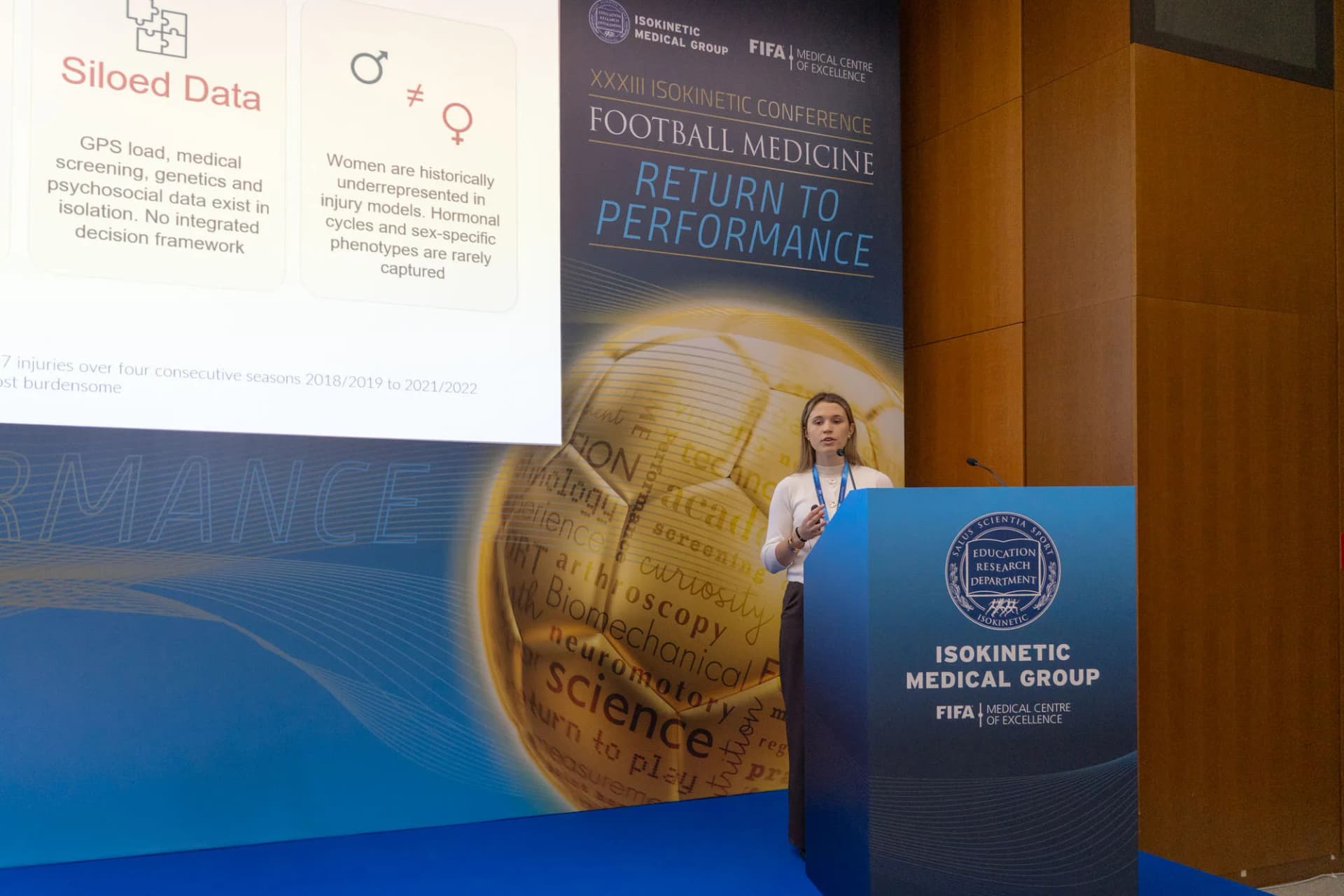
As part of the IBSA Group workshop "Beyond One-Size-Fits-All: Injury Recovery in Football", our CBDO and cofounder Miquel A. Bru Angelats presented how precision medicine approaches can be applied to injury prevention and recovery in elite football.
His presentation highlighted the need to move from reactive models to predictive approaches, combining genetics, biomarkers, workload and contextual data into integrated models that reflect the complexity of injury risk.
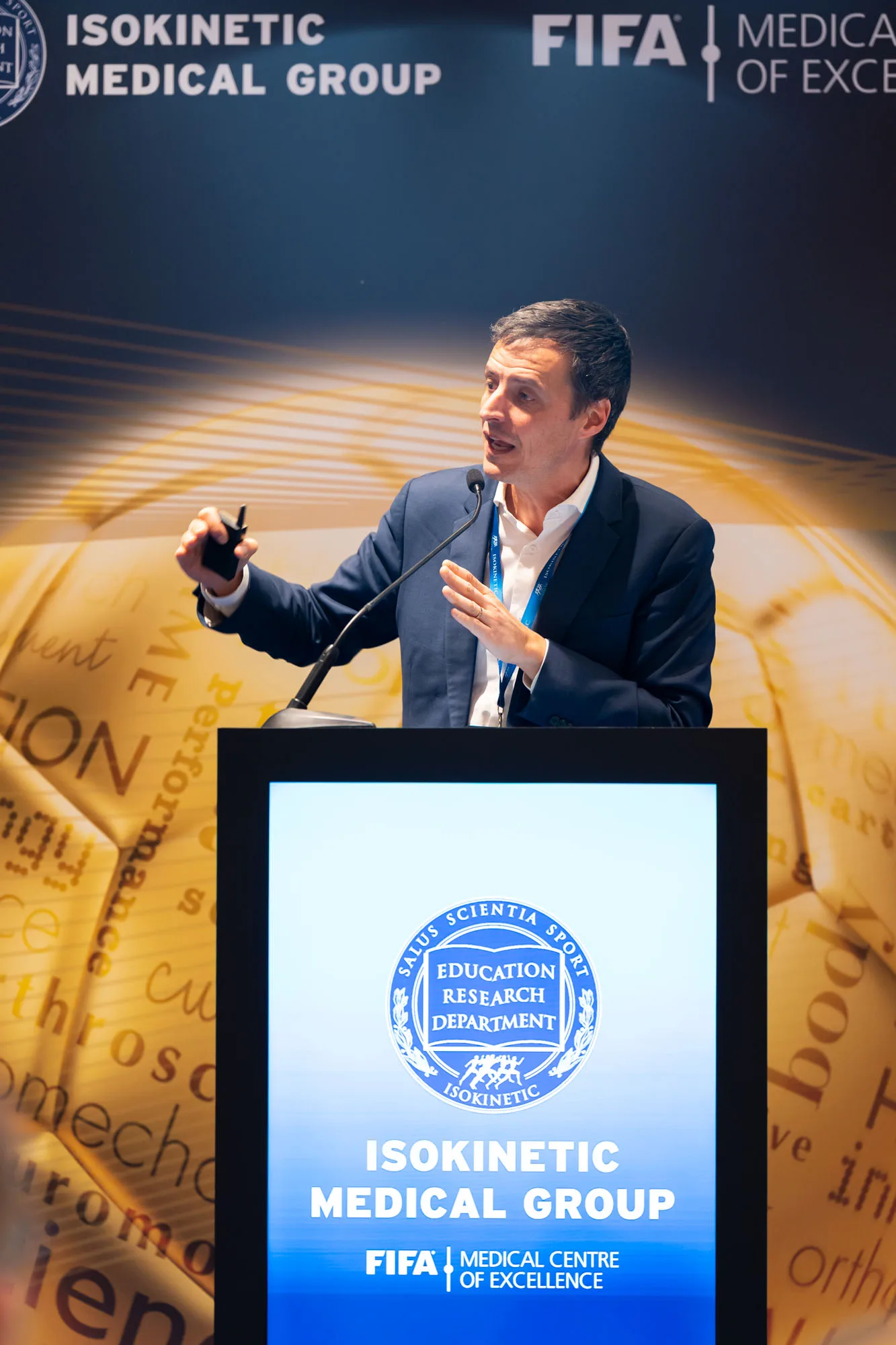
Central to this approach is the use of digital twins and the Performance Hub, which enable the integration of these data layers into a continuous, personalized representation of the athlete, translating complexity into actionable decision support for medical and performance teams.
Research contributions across multiple domains
During the conference, Made of Genes contributed to several research lines aligned with this approach:
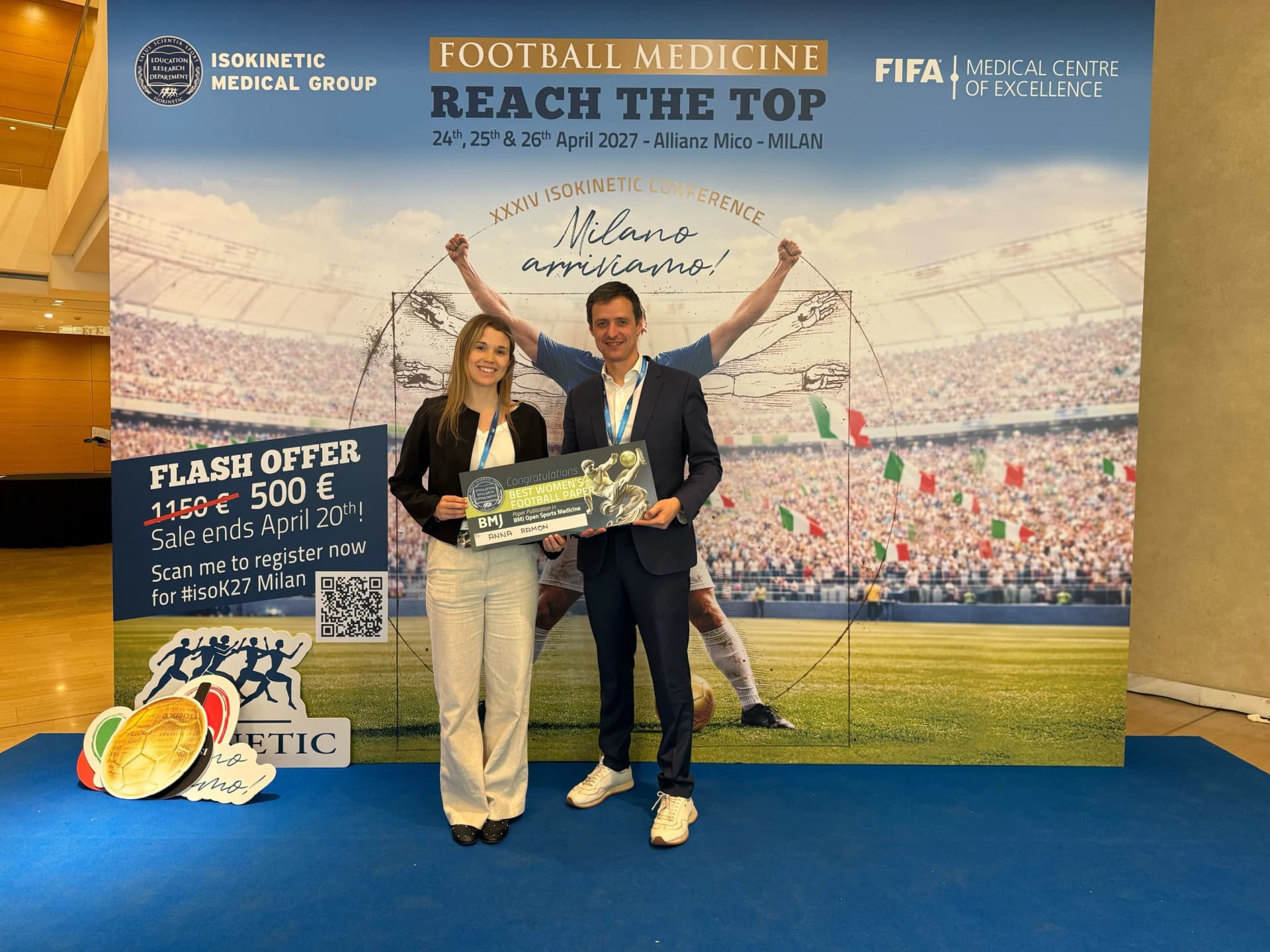
- A Multimodal Digital Twin for Injury Risk Prediction in Elite Female Football, awarded Best Women's Football Abstract
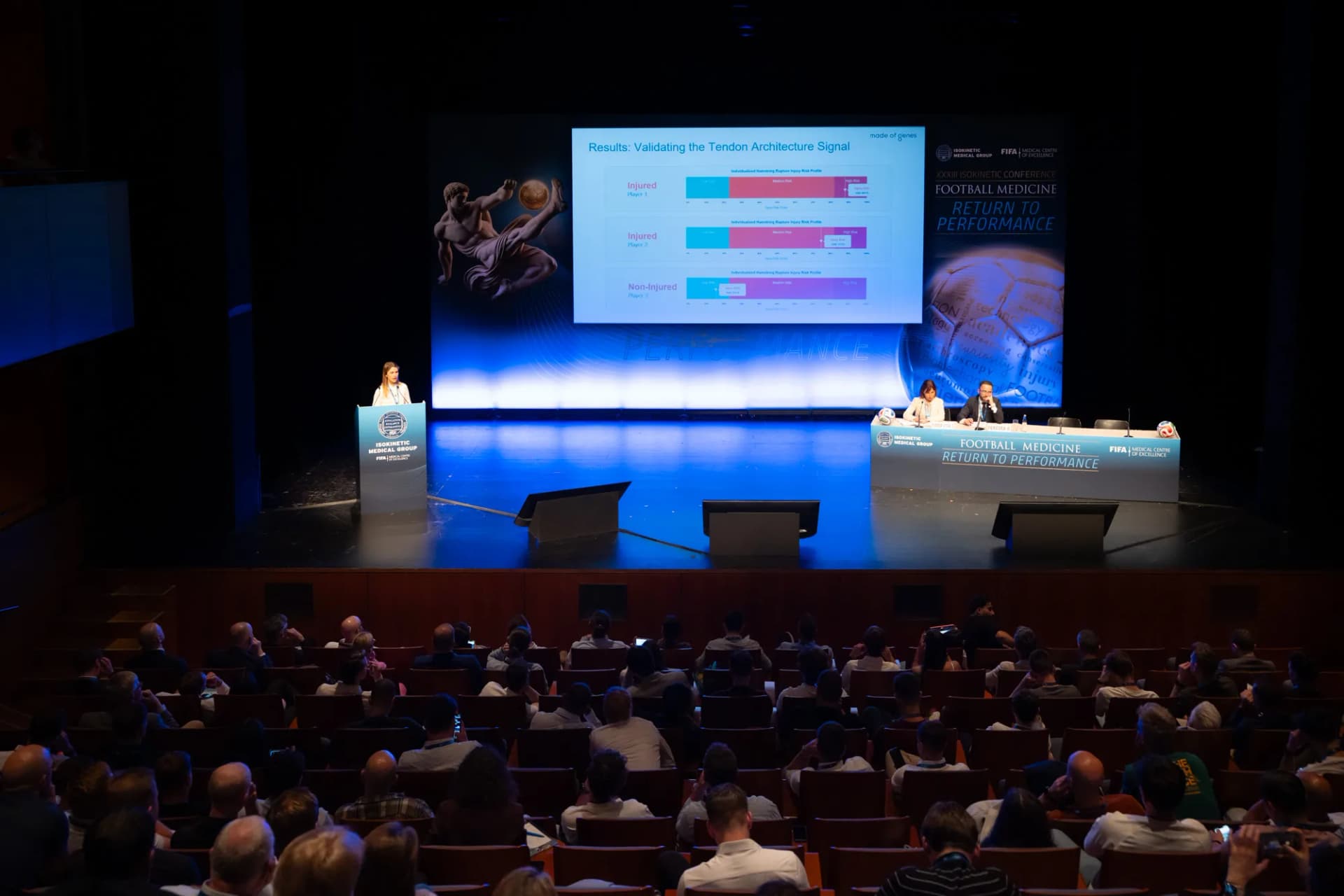
- Polygenic Risk Score for Hamstring Tendon Rupture
- Bridging Data Silos in Elite Sport
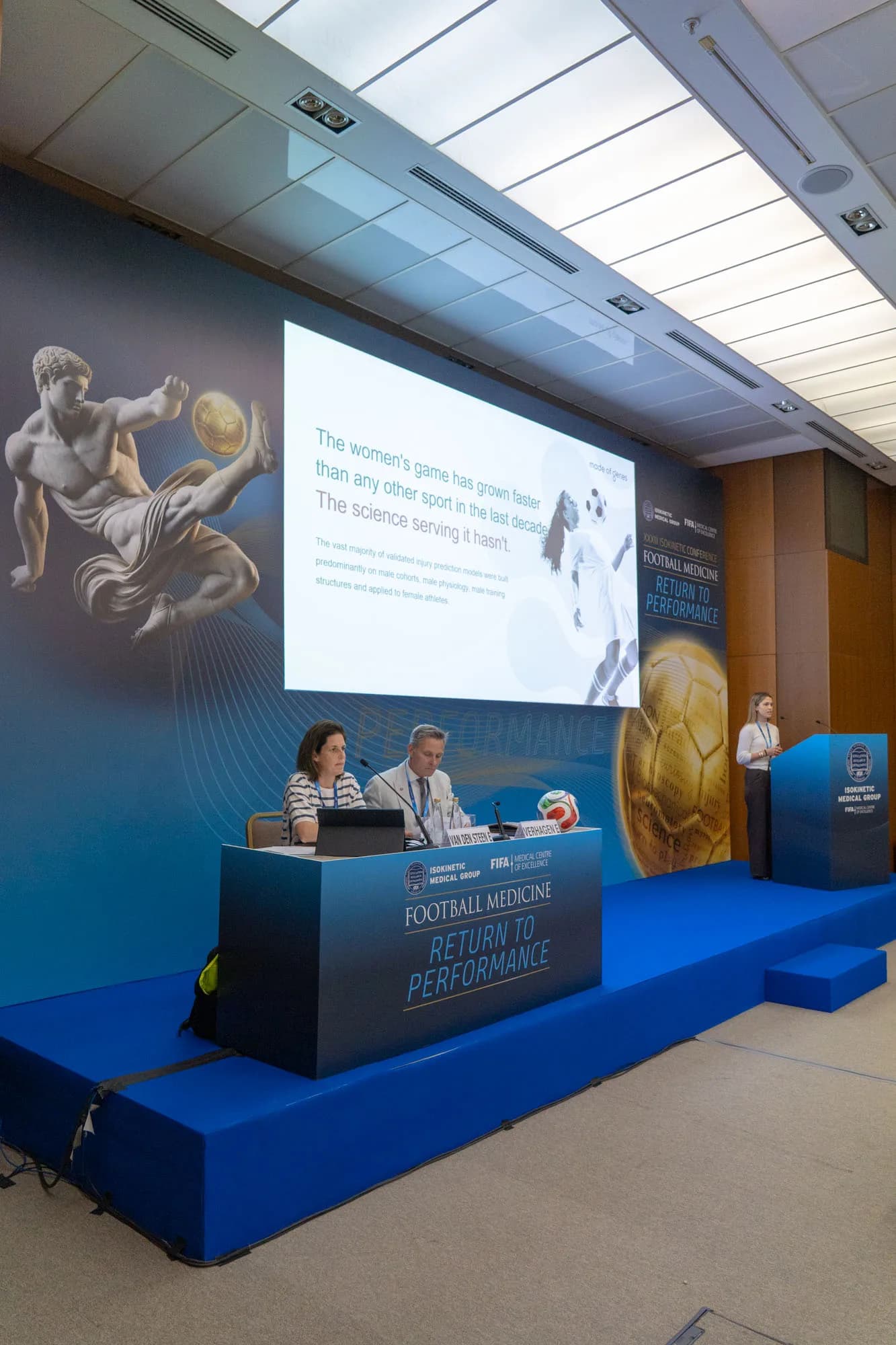
These projects reflect a common objective: moving beyond isolated biomarkers towards integrated, interpretable models that can be applied in real performance environments.
The recognition of our work in women's football also reinforces the importance of incorporating sex-specific data and models from the design stage — an area historically underrepresented in sports science.
Looking ahead
The conversations at Isokinetic 2026 point to a clear direction for the field: the future of injury prevention and performance will depend not on collecting more data, but on the ability to integrate, interpret and act on it.
At Made of Genes, we will continue to develop technologies that enable this transition — bringing precision medicine into everyday decision-making in elite sport.